What to Keep in a Senior Emergency Kit: A Complete Safety Guide
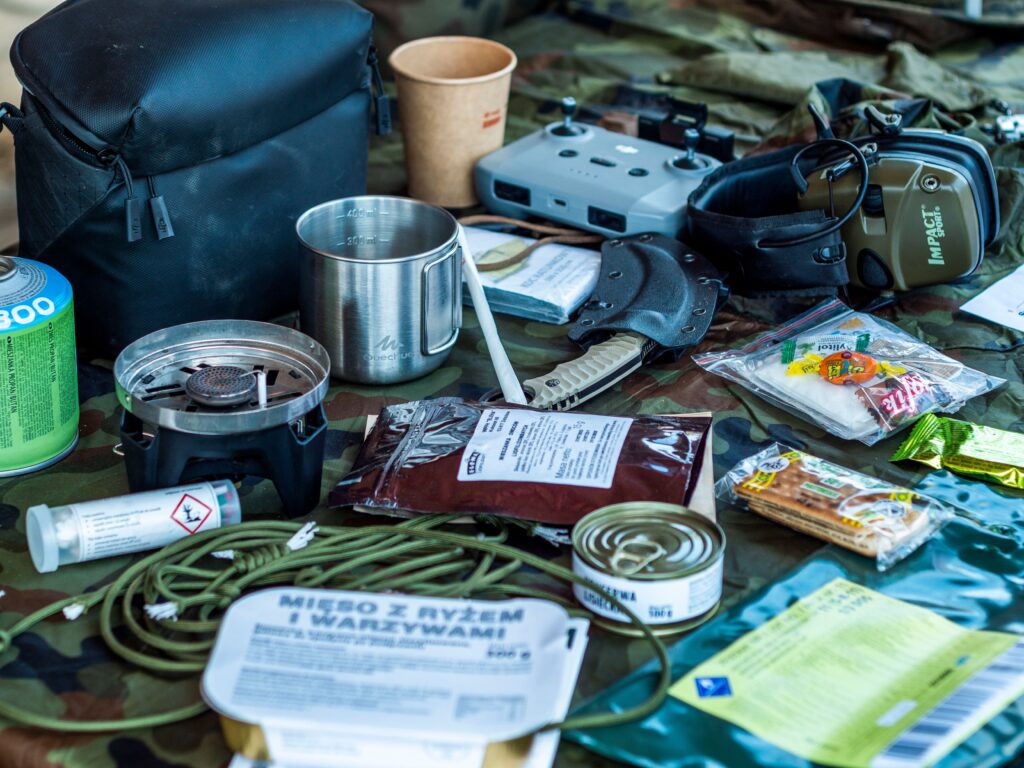
Emergencies can happen at any time, whether it’s a power outage, severe weather event, medical emergency, or natural disaster. Having a well-stocked emergency kit can help seniors stay safe, comfortable, and prepared when unexpected situations arise.
Why Seniors Need an Emergency Kit
Older adults often have unique needs, including medications, mobility aids, and medical equipment. An emergency kit ensures that essential supplies are readily available when access to stores, pharmacies, or healthcare services may be limited.
Essential Items for a Senior Emergency Kit
1. Medications
Keep at least a seven-day supply of prescription medications. Include a list of medications, dosages, prescribing doctors, and pharmacy contact information.
How to Choose the Right Pill Organizer for Seniors
2. Important Documents
Store copies of:
- Identification
- Health insurance cards
- Emergency contacts
- Medical records
- Advance directives
Place documents in a waterproof container.
3. Water and Non-Perishable Food
Keep enough supplies for at least three days:
- Bottled water
- Canned foods
- Protein bars
- Crackers
- Dried fruits
Don’t forget a manual can opener.
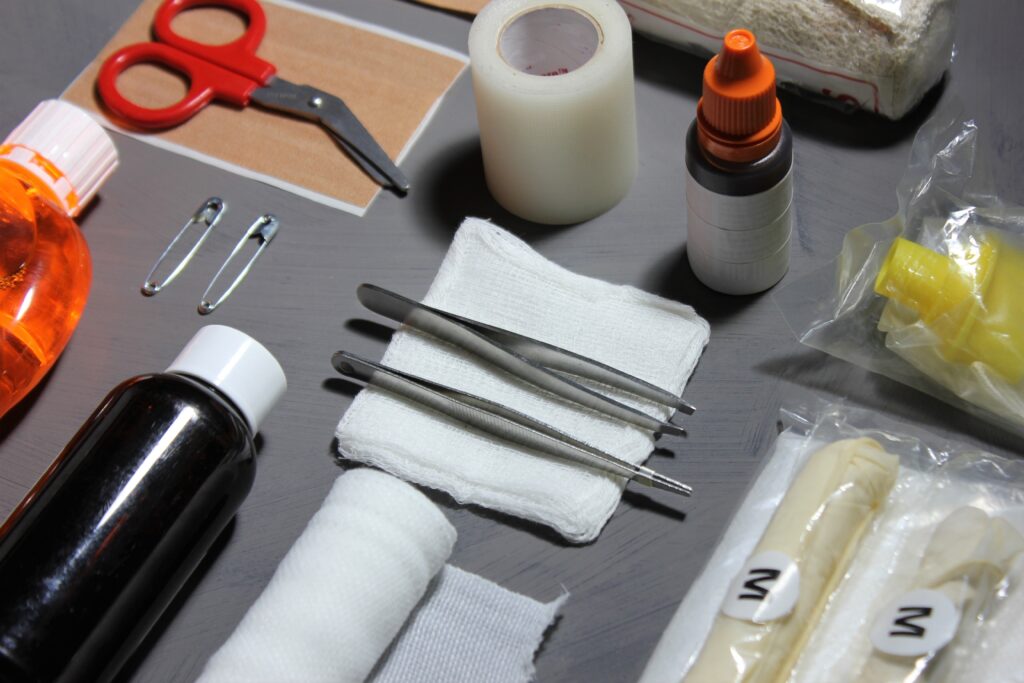
4. First Aid Supplies
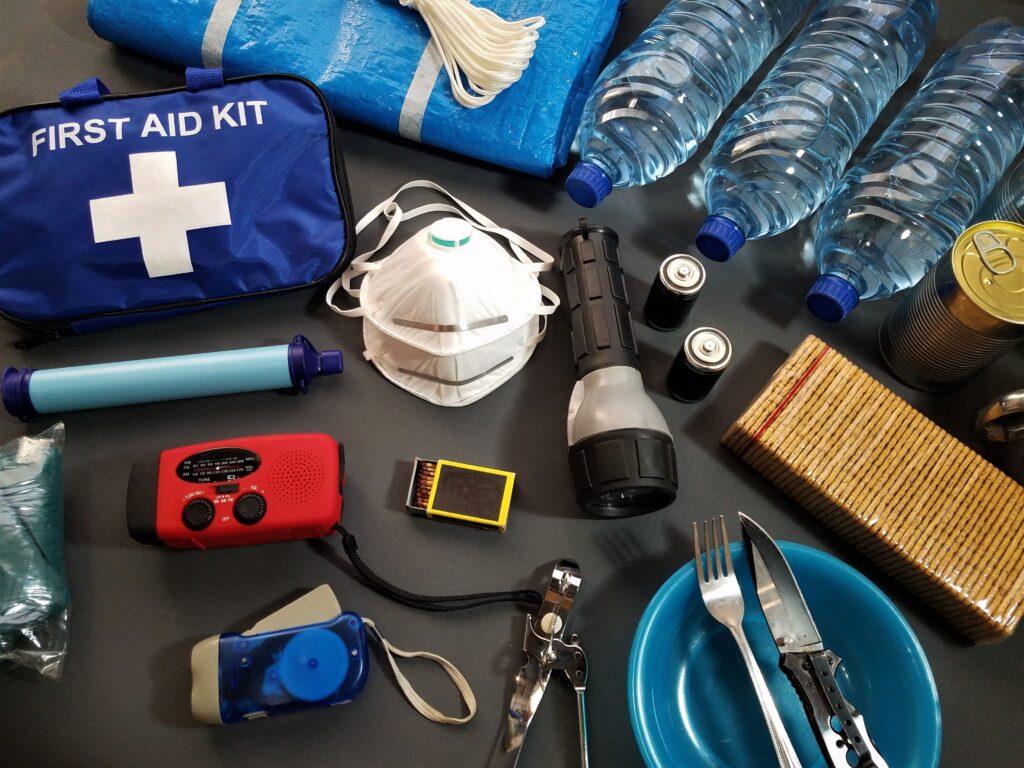
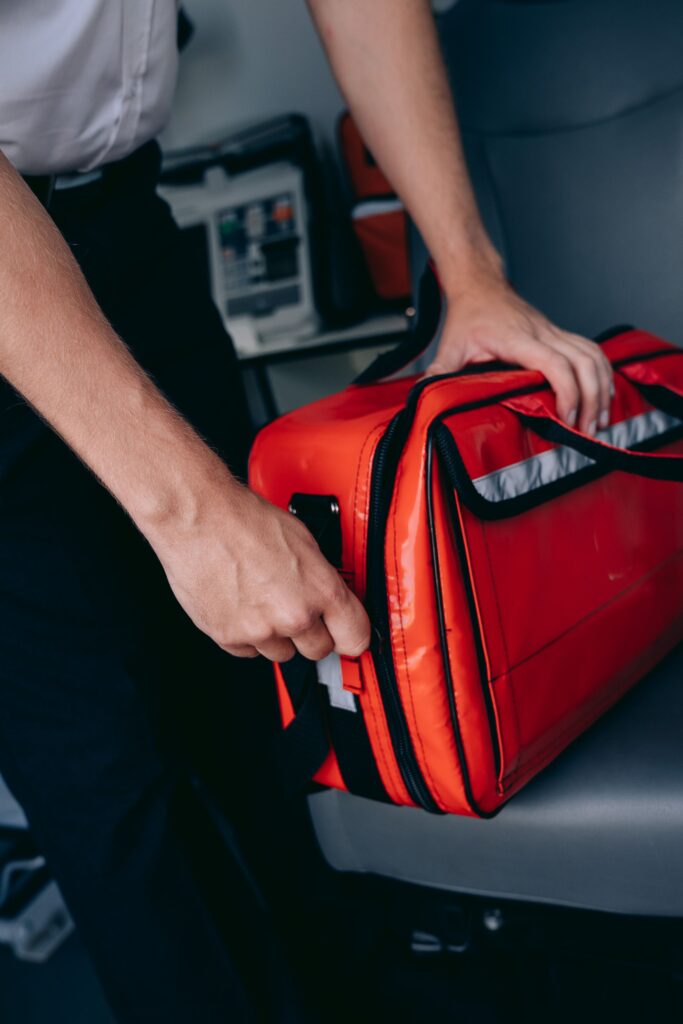
A basic first aid kit should include:
- Bandages
- Gauze
- Antiseptic wipes
- Pain relievers
- Medical gloves
5. Flashlight and Batteries
Power outages are common during emergencies. Keep a flashlight and extra batteries in your kit.
6. Cell Phone Charger
Include charging cables and a portable power bank to keep communication devices working
Best Phones for Seniors: Simple and Easy-to-Use Cell Phones
7. Personal Care Items
Pack essentials such as:
- Eyeglasses
- Hearing aid batteries
- Denture supplies
- Incontinence products
- Hygiene items
Hearing Amplifiers for Seniors: Confidence Everyday
8. Comfort and Warmth
Store:
- Blankets Why Electric Blankets are A Great Choice for Seniors
- Extra clothing
- Comfortable Shoes Non-Slip Shoes for Seniors: Safe Footwear for Better Balance 👟
- Rain gear
9. Medical Equipment Supplies
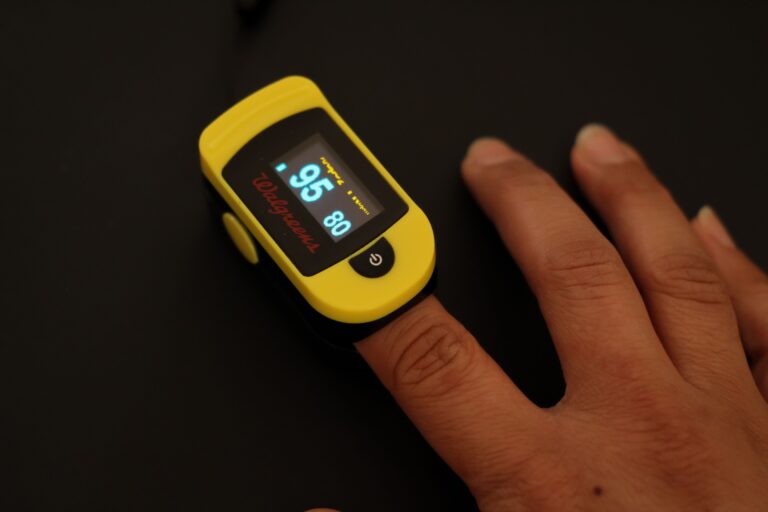
If you use medical devices, keep backup supplies and batteries whenever possible and of course, the very important device: blood pressure monitor.
Blood Pressure Monitors for Seniors: Health Tracking Made Easy
10. Emergency Contact List
Maintain a printed list of family members, friends, doctors, and caregivers in case your phone becomes unavailable.
Where to Store Your Emergency Kit
Keep your kit in an easily accessible location. Make sure family members or caregivers know where it is stored. Review and update supplies every six months, replacing expired medications, food, and batteries.
Final Thoughts
A well-prepared emergency kit provides peace of mind and can make a significant difference during unexpected situations. Taking a little time now to gather essential supplies can help seniors stay safe, independent, and ready for emergencies.
Medical Disclaimer: The content in this website is for informational purposes only and not intended to replace professional medical advice. Always consult a qualified healthcare provider before making any decisions about safety and mobility, or senior care needs.
Affiliate Disclosure: As an Amazon Associate, I earn a small commission from qualifying purchases at no extra cost to you.