Medical Disclaimer: The content in this website is for informational purposes only and not intended to replace professional medical advice. Always consult a qualified healthcare provider before making any decisions about mobility and safety, or senior care needs.
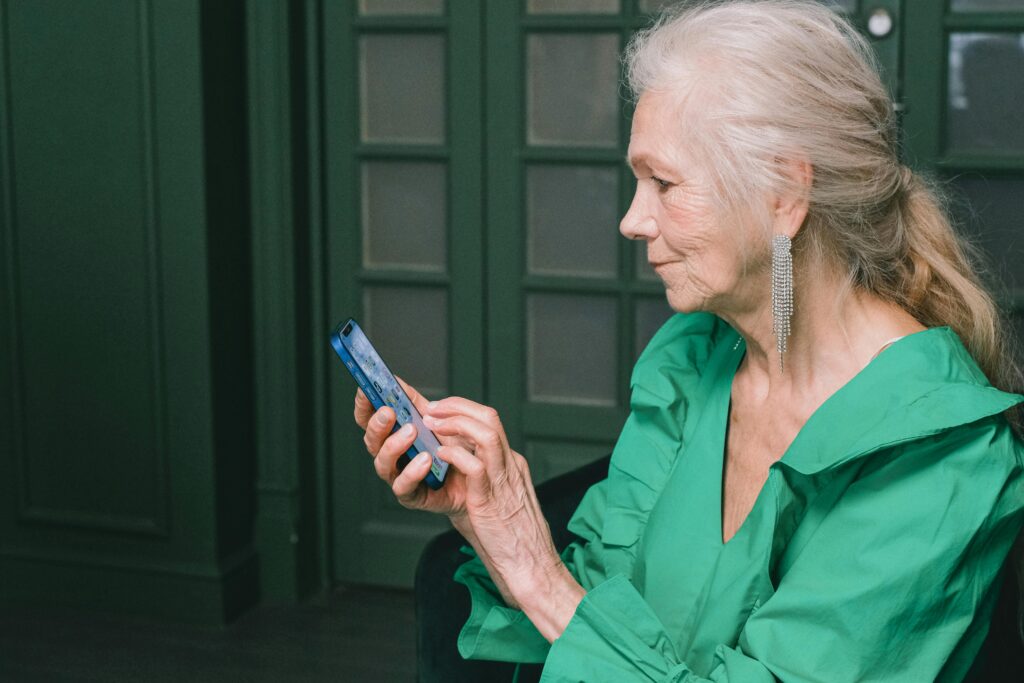
Technology has become an essential part of everyday life, but not every smartphone is designed with older adults in mind, and phones for seniors is the answer. Tiny buttons, confusing menus, and overly complicated features can make communication frustrating instead of enjoyable. Fortunately, many easy-to-use phones for seniors are specifically designed to provide simplicity, accessibility, and safety without sacrificing important features.
Whether you’re shopping for yourself or helping an aging parent choose the right device, this guide explains the best features to look for and highlights the top phone options available today.
BEST OVERALL PICK: View on Amazon
Simple, reliable phone with an easy-to-read display and excellent value.
Why Seniors Need Specialized Phones
As people age, they may experience challenges such as reduced vision, hearing difficulties, or limited dexterity. Standard smartphones can feel overwhelming because they often prioritize advanced technology over usability and comfort.
Senior-friendly phones focus on:
- Large, easy-to-read displays View on Amazon
- Simplified navigation
- Loud and clear audio
- Emergency assistance features
- Long battery life
- Comfortable button layouts
These features help older adults stay connected with family and friends while maintaining independence.
Important Features to Look for in Senior Phones
1. Large Buttons and Displays
Phones with oversized buttons and bright screens are easier to operate. Seniors with arthritis or vision impairments benefit from devices that reduce strain and prevent dialing mistakes. View on Amazon
Look for:
- High-contrast screens
- Adjustable text sizes
- Backlit keypads
- Touchscreens with large icons
2. Hearing Aid Compatibility
Many seniors rely on hearing aids, so compatibility is essential. A quality senior phone should offer: View on Amazon
- Amplified sound
- Noise reduction
- HAC (Hearing Aid Compatibility) certification
- Loud speakerphone functionality
3. Emergency SOS Features
Safety is one of the most important considerations. Many easy-to-use phones for seniors include:
- One-touch emergency buttons
- GPS location tracking
- Medical alert integration
- Emergency contact shortcuts
These tools provide peace of mind for both seniors and caregivers. View on Amazon
4. Simple User Interface
Complicated apps and cluttered menus can create confusion. Senior-friendly phones often feature:
- Streamlined menus
- Voice dialing
- Minimal setup requirements
- Easy-to-access contacts
A clean interface makes daily communication much easier.
5. Long Battery Life
Frequent charging can become inconvenient. Phones designed for seniors typically prioritize longer battery performance, helping users stay connected throughout the day without worry.
Best Types of Easy-to-Use Phones for Seniors

Basic Flip Phones
Flip phones remain a popular choice for seniors because they are straightforward and reliable. They usually include physical buttons, loud audio, and simple menus.
Benefits include: View on Amazon
- Easy calling and texting
- Durable design
- Affordable pricing
- Minimal distractions
Flip phones are excellent for seniors who primarily need communication and emergency access.
Simplified Smartphones
Some seniors want internet access, video calls, and apps without the complexity of standard smartphones. Simplified smartphones offer: View on Amazon
- Larger icons
- Voice assistants
- Easy navigation
- Video chatting capabilities
These devices are ideal for staying socially connected with family members.
Medical Alert Phones
Certain phones are designed specifically with health and safety features in mind. These devices may include: View on Amazon
- Fall detection
- Emergency response services
- Wellness reminders
- GPS monitoring
They are especially useful for seniors living independently.
Top Benefits of Senior-Friendly Phones
Increased Independence
Easy-to-use phones empower seniors to communicate confidently without constantly needing technical assistance.
Better Family Communication
Simple phones make it easier for older adults to stay in touch through calls, texts, and video chats.
Enhanced Safety
Emergency features and GPS tools can help seniors get assistance quickly when needed.
Reduced Frustration
A simplified experience removes unnecessary complications and makes technology more enjoyable.
How to Choose the Right Phone for a Senior
Every senior has different needs, so it’s important to consider:
- Vision and hearing abilities
- Comfort with technology
- Desired features
- Budget
- Carrier compatibility
Some seniors may prefer a basic flip phone, while others may enjoy the convenience of a simple smartphone with internet access.
Patience and repetition can help build confidence quickly. View on Amazon
Final Thoughts
Finding the right easy-to-use phone for seniors can dramatically improve communication, safety, and independence. The best devices combine simplicity with practical features that support everyday life.
Whether choosing a basic flip phone or a simplified smartphone, prioritizing ease of use is the key to helping seniors stay connected comfortably and confidently.
BEST BUDGET PICK: View on Amazon
Best for seniors who want a regular smartphone without paying a premium.
.


Frequently Asked Questions (FAQs)
1. What is the best cell phone for seniors?
The best cell phones for seniors are devices with large displays, loud speakers, long battery life, and simple menus. Popular options include basic smartphones with “easy mode” or simplified launchers that reduce confusion and make calling and texting easier.
2. What features should a senior-friendly phone have?
A good senior-friendly phone should include:
- Large, clear screen with big icons
- Adjustable text size and brightness
- Loud and clear speakers
- Emergency SOS button or medical alert feature
- Simple navigation or “easy mode”
- Strong battery life (all-day use)
3. Are flip phones still good for seniors?
Yes, flip phones are still a great option for seniors who only need calling and texting. They are:
- Easy to use
- Less confusing than smartphones
- More durable
- Often have louder volume than standard phones
However, they lack apps like WhatsApp, Google Maps, or video calling.
4. Is an iPhone or Android better for seniors?
Both can work well depending on the user:
- iPhone: Very simple interface, good accessibility settings, strong support
- Android: More variety, including phones with “Easy Mode” or large-button launchers.

Affiliate Disclosure: As an Amazon Associate, I earn a small commission from qualifying purchases at no extra cost to you.



[…] in enjoyable activities regularly can significantly improve quality of life for older adults and maintaining communication with loved ones […]
[…] who want an easy, premium tablet for communication, entertainment, and everyday […]