Falls Prevention for Seniors: Essential Tips to Stay Safe and Independent
Falls are a leading cause of injury among older adults, yet many falls are preventable. Understanding the risks and taking proactive measures can help seniors maintain independence, confidence, and overall well-being.
Why Falls Are a Serious Concern for Seniors
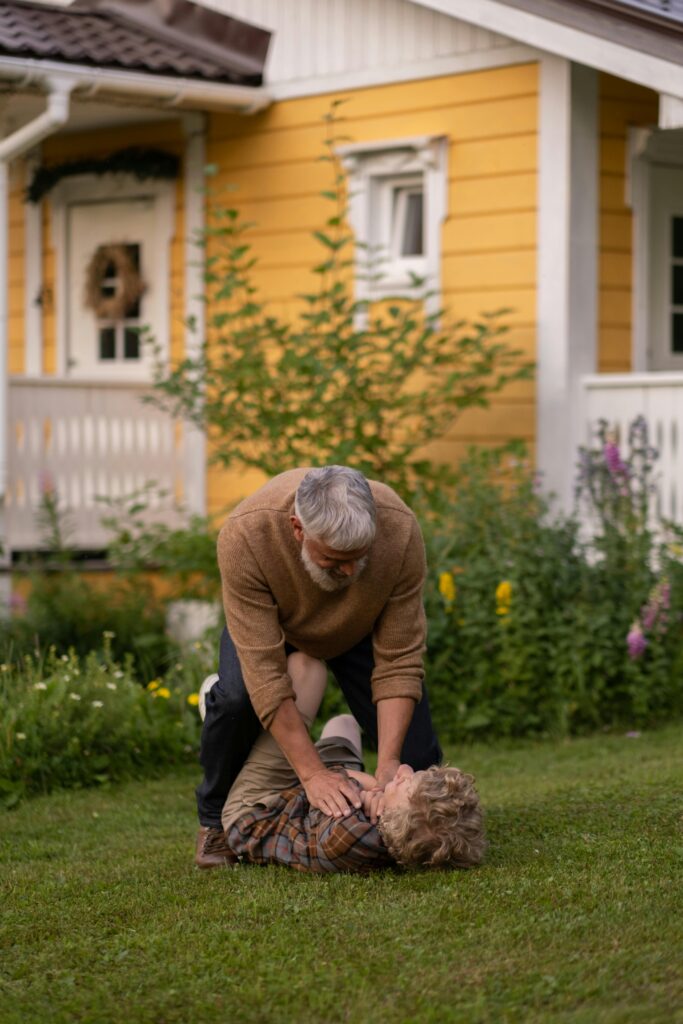
According to the CDC, one in four adults aged 65 and older experiences a fall each year. Falls can lead to serious injuries such as fractures, head trauma, or even long-term mobility issues. Beyond the physical impact, falls can also affect mental health, leading to anxiety or fear of moving around.
Common Causes of Falls in Older Adults
Understanding the reasons seniors fall is crucial for prevention. Common factors include:
- Muscle weakness and balance issues: Aging can reduce strength and coordination, increasing fall risk.
- Medication side effects: Some medications can cause dizziness or drowsiness.
- Environmental hazards: Poor lighting, loose rugs slippery floors and clutter can lead to trips and slips.
- Chronic health conditions: Vision problems, arthritis, or neurological conditions may affect stability.
Practical Tips for Falls Prevention
Here are actionable strategies to reduce the risk of falls in seniors:
1. Improve Strength and Balance
- Engage in exercises like walking, tai chi, or gentle yoga to enhance muscle strength and stability.
- Consult a physical therapist for personalized balance training programs.
2. Make the Home Safer
- Install grab bars in the bathroom and handrails on stairs.
- Remove loose rugs and ensure walkways are clear by using non-slip rugs for seniors to reduce slip and fall.
- Use non-slip mats in the shower or bathtub.
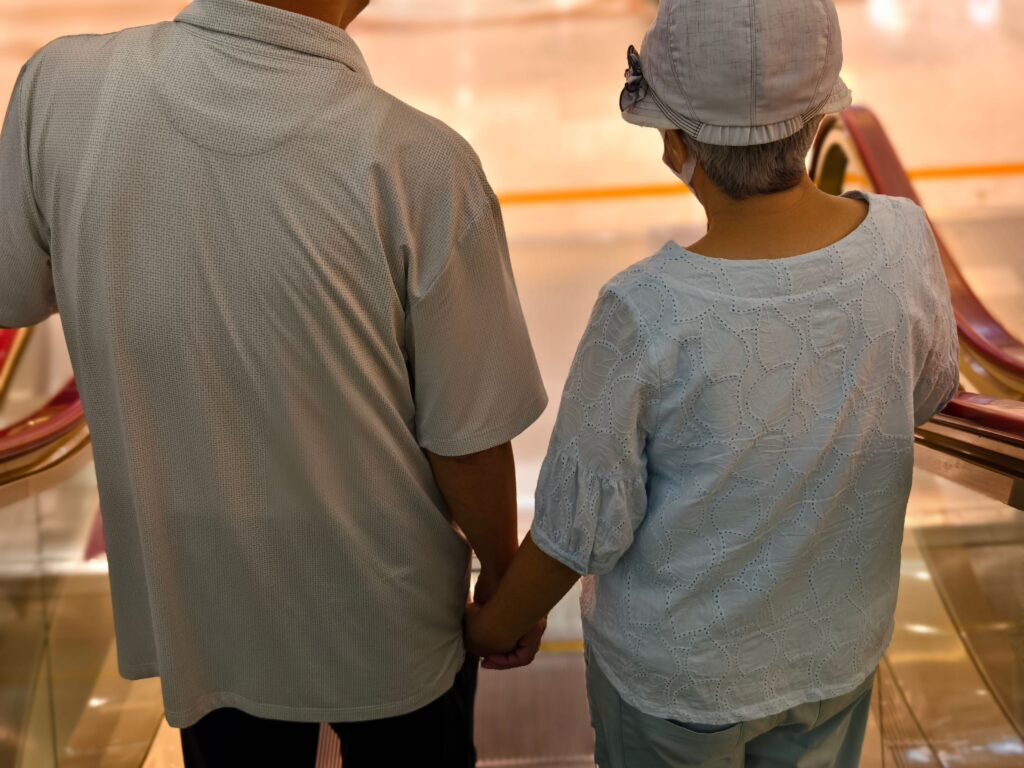
3. Regular Health Checkups

- Schedule vision and hearing tests regularly.
- Review medications with a healthcare provider to minimize side effects.
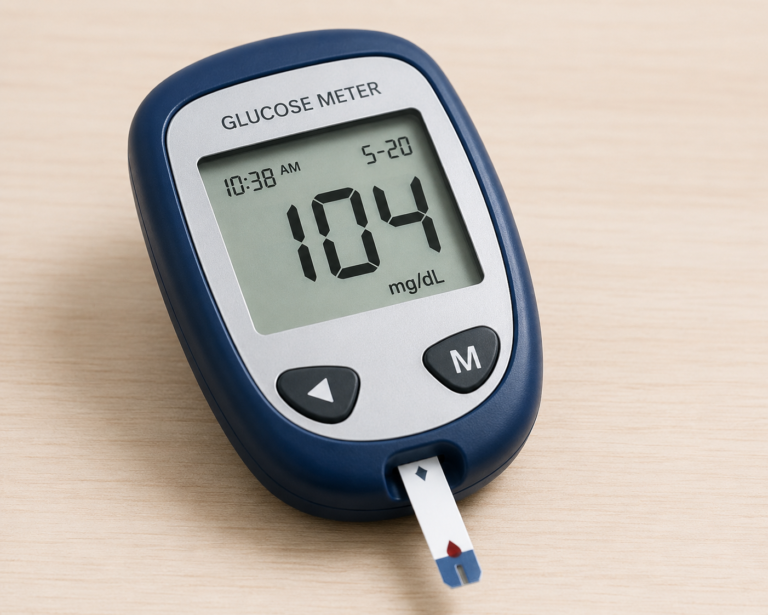
- Monitor and manage chronic conditions like diabetes or heart disease.
4. Use Assistive Devices
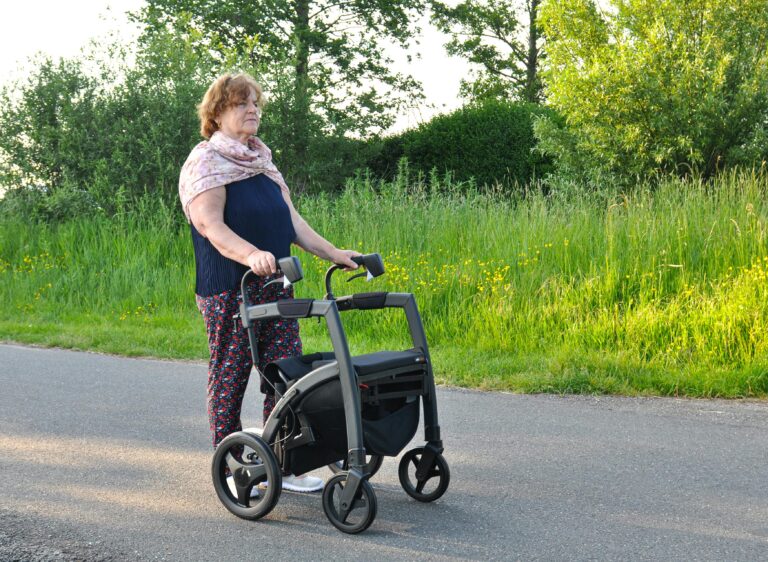
- Consider using canes, walkers, or other mobility aids if recommended.
- Wear supportive, non-slip shoes, both indoors and outdoors.
5. Educate and Stay Mindful
- Seniors and caregivers should stay informed about fall risks and prevention strategies.
- Encourage safe movement practices, such as taking small steps on slippery surfaces.
Keywords: home safety for seniors, balance exercises for elderly, mobility aids, fall prevention
When to Seek Professional Help
If a senior has experienced multiple falls, shows signs of dizziness, or struggles with mobility, it’s important to consult a healthcare professional. Early intervention can prevent serious injuries and maintain independence.
Conclusion
Falls prevention for seniors is about creating a safer environment, improving strength and balance, and staying proactive about health. By implementing simple strategies, seniors can reduce their fall risk, maintain independence, and enjoy a better quality of life.
Medical Disclaimer: The content in this website is for informational purposes only and not intended to replace professional medical advice. Always consult a qualified healthcare provider before making any decisions on mobility and safety, or senior care needs.
Affiliate Disclosure: As an Amazon Associate, I earn a small commission from qualifying purchases at no extra cost to you.
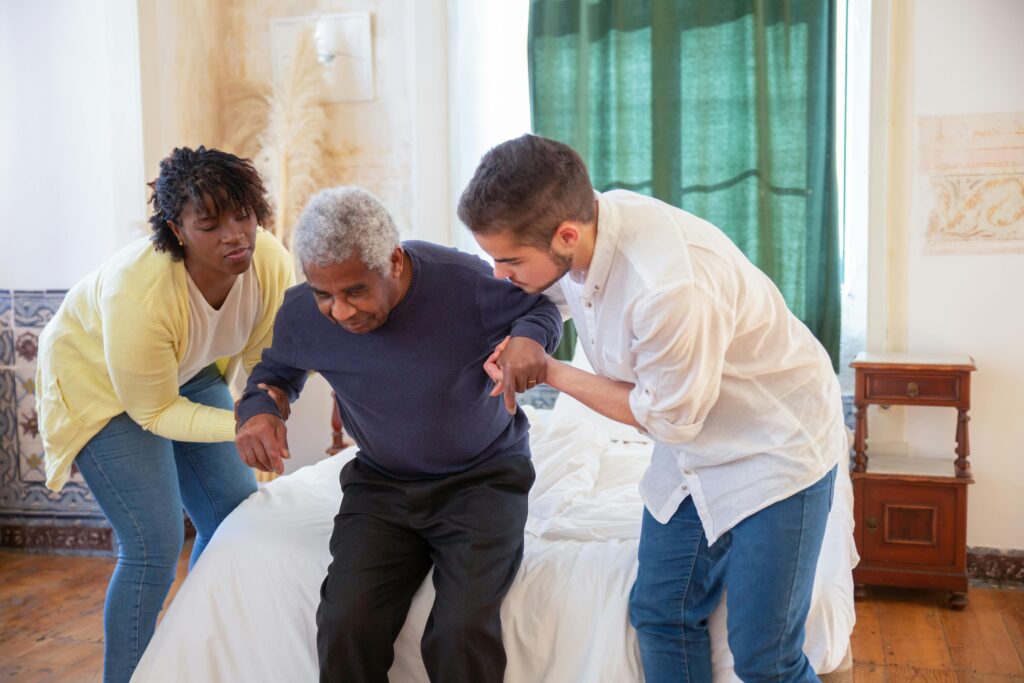

[…] Reduce the risk of slips and falls […]
[…] Falls are one of the leading causes of injury among older adults. Simple daily activities like getting in and out of bed can become difficult with age due to reduced balance, muscle weakness, arthritis, or mobility limitations. Bed railings are one of the most effective tools for improving bedroom safety and helping seniors maintain independence at home. […]
[…] Falls are one of the leading causes of injury among older adults. Reaching too high or bending too low can increase the chance of losing balance. Grabbers eliminate many of these risky movements, making the home safer. […]
[…] in the home for older adults. Wet floors, slippery surfaces, and limited mobility can increase the risk of falls and injuries. Installing bathroom grab bars is one of the easiest and most effective ways to […]
[…] essential solution that helps improve safety, comfort, and independence while reducing the risk of slips and falls in one of the most dangerous areas of the […]
[…] Reduced fear of falling […]
[…] primary benefit is fall prevention. Non-slip backing keeps the rug secure, even in high-traffic […]
[…] Non-slip shoes for seniors in 2026 are an essential part of fall prevention and daily safety. As people age, changes in balance, foot strength, and coordination make proper footwear a critical factor in preventing slips and falls. […]
[…] Reduce fall risks […]
[…] For seniors looking for easy-care greenery, choosing the right plants makes all the difference. Low-maintenance plants are ideal because they require less watering, pruning, and lifting while still providing vibrant color and fresh air. Plants for is the simplest solution, maintain focus and also prevent falls. […]
[…] Cordless vacuums eliminate the hassle of plugging and unplugging cords throughout the home. They also reduce tripping hazards, which is especially important for seniors concerned about falls. […]
[…] Improving balance and reducing fall risk […]
[…] One-touch emergency buttons […]
[…] Addressing hearing loss early can improve communication, confidence, and independence and also help with balance, reducing the risk of falls. […]
[…] Reducing fall risks during nighttime walks […]
[…] Slips and falls […]
[…] Reduces fall risk […]
[…] Seniors Fall Prevention: Simple Steps to Stay Steady […]