Exercise Equipment for Seniors: Safe, Effective Ways to Stay Active at Any Age
Staying active becomes more important—not less—as we age. For seniors, regular movement supports joint flexibility, heart health, balance, and independence. The right exercise equipment can make workouts safer, more comfortable, and easier to maintain at home or in a community setting.
BEST OVERALL PICK: View on Amazon
My top pick for its low impact design, safety, and ease of use.
This guide explores practical exercise equipment for seniors, how to choose the right tools, and how to build a simple routine that supports long-term health in a comfortable environment.
Why Exercise Matters for Seniors
Physical activity plays a key role in healthy aging. Even low-impact movement can help with:
- Improving balance and reducing fall risk
- Supporting joint mobility and flexibility
- Maintaining muscle strength for daily activities
- Boosting circulation and heart health
- Reducing stiffness from arthritis or inactivity
- Supporting mood and mental clarity
The goal is not intense training—it’s consistency and safety.
Best Exercise Equipment for Seniors (By Purpose)
Instead of focusing on “gym-style” equipment, seniors benefit most from tools that support low-impact, controlled movement.
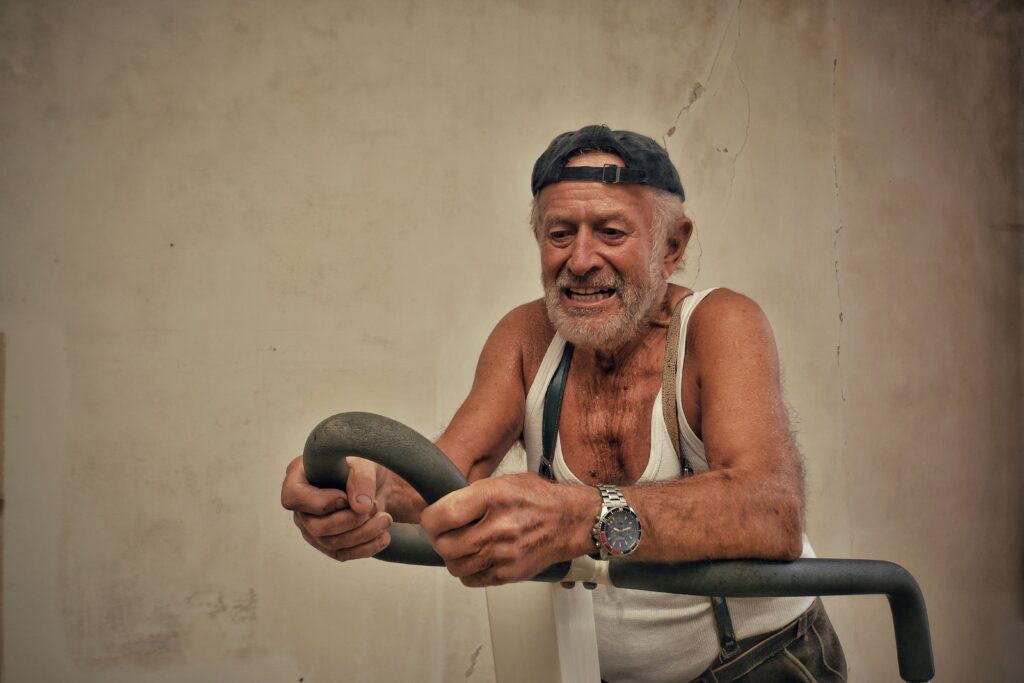
1. Pedal Exercisers (Mini Exercise Bikes)
Pedal exercisers are compact machines that can be used while sitting in a chair.
They are ideal for:
- Improving circulation in the legs
- Gentle cardio exercise
- Seniors with limited mobility
- Use while watching TV or reading
Many models also include adjustable resistance, allowing gradual progress without strain. View on Amazon
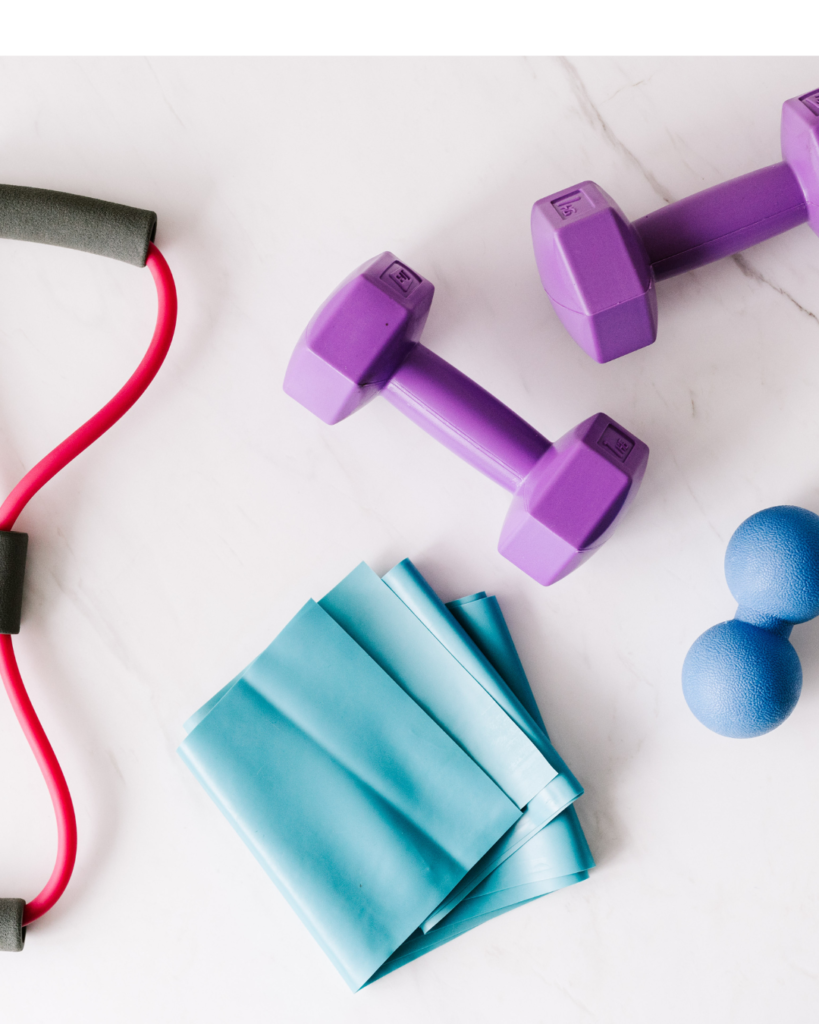
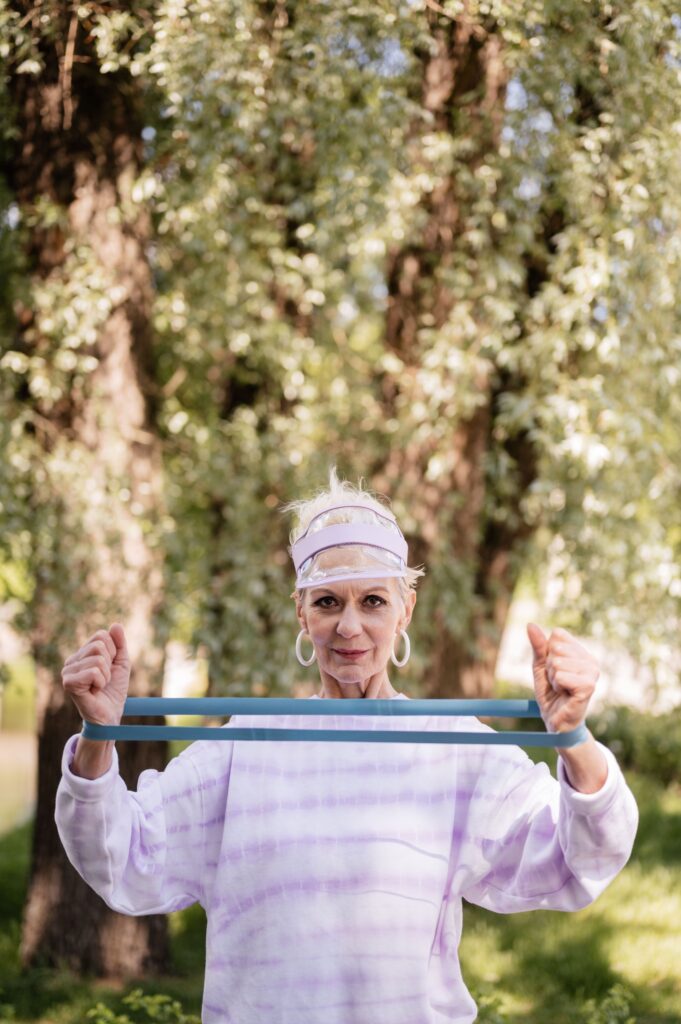
2. Resistance Bands
Resistance bands are one of the most versatile and affordable tools for senior fitness.
Benefits include:
- Strength training without heavy weights
- Easy joint-friendly resistance
- Portable and lightweight
- Suitable for seated or standing exercises
They are especially helpful for improving arm strength and posture.
3. Hand Grip Strengtheners
Grip strength often declines with age, affecting daily tasks like opening jars or holding objects.
Hand grip tools help:
- Strengthen fingers and hands
- Support arthritis-friendly movement
- Improve fine motor control
They are small but very effective when used consistently. View on Amazon
4. Recumbent Exercise Bikes
Unlike upright bikes, recumbent bikes provide back support and a reclined seating position. View on Amazon
They are great for:
- Seniors with back or hip pain
- Low-impact cardiovascular workouts
- Longer, comfortable exercise sessions
This is one of the safest cardio options for home use.
5. Balance Trainers
Balance tools help reduce fall risk, which is a major concern for older adults.
Common options include:
- Balance pads
- Stability discs
- Foam cushions
These tools improve:
- Core strength
- Stability
- Coordination
Even a few minutes a day can make a noticeable difference.
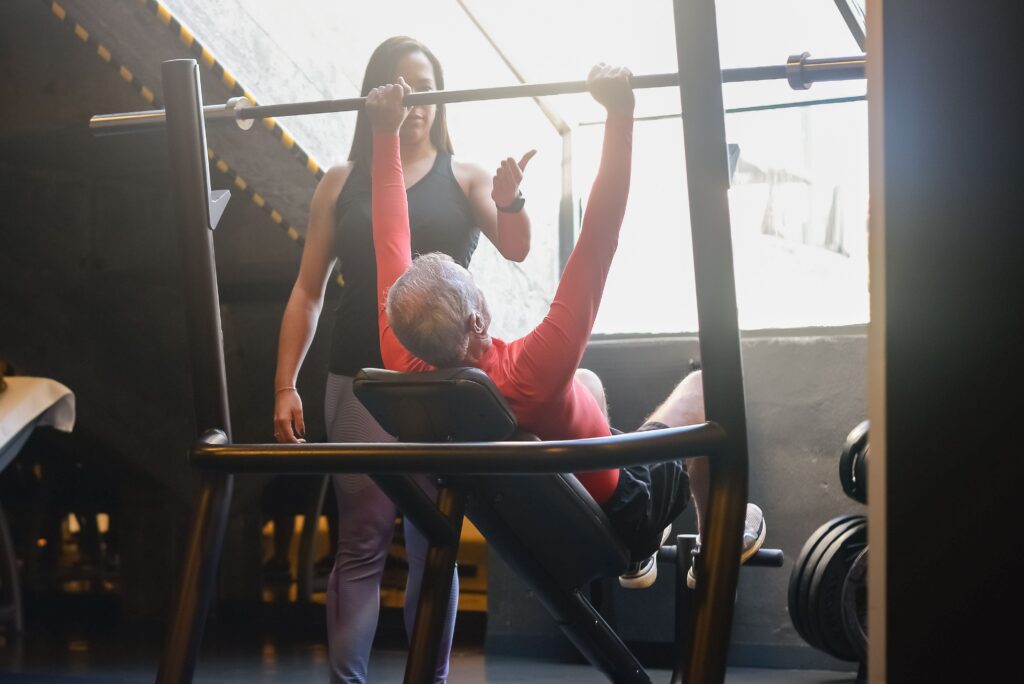
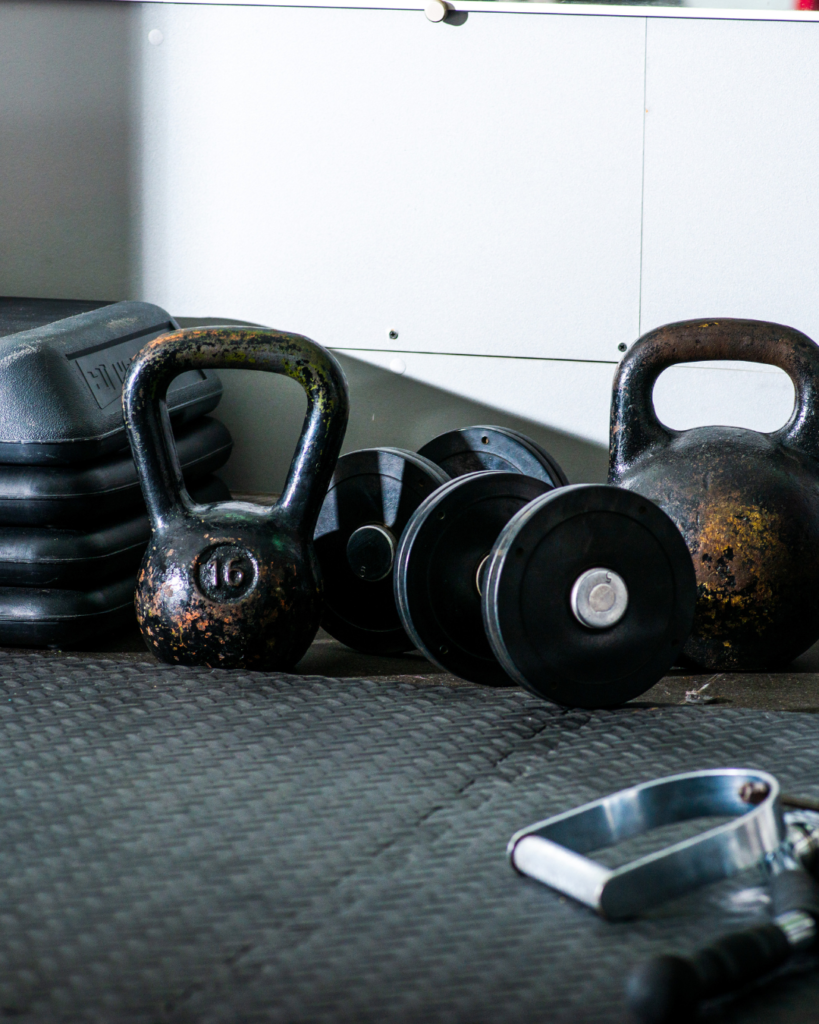
6. Light Dumbbells or Adjustable Weights
Strength training helps maintain muscle mass, which naturally declines with age. View on Amazon
Light weights are ideal for:
- Arm and shoulder strength
- Bone density support
- Functional daily movements
Start with very light resistance and increase slowly if comfortable.
How to Choose the Right Equipment
Not all fitness tools are suitable for every senior. Consider the following before purchasing:
Comfort First
Choose equipment that feels stable and easy to use. If it causes discomfort, it will not be used consistently.
Low Impact Design
Avoid high-impact machines or anything that strains joints.
Ease of Use
Look for:
- Simple controls
- Clear instructions
- Lightweight design
Space at Home
Compact equipment is often better for home use, especially in smaller living areas.
Health Conditions
For seniors with arthritis, heart conditions, or mobility issues, gentler options like resistance bands or pedal exercisers are usually best.
Simple Weekly Routine Using Basic Equipment
Here’s a beginner-friendly routine that combines different tools:
Day 1 – Cardio
- Pedal exerciser: 10–15 minutes
- Light stretching
Day 2 – Strength
- Resistance bands: arms and legs (10–15 minutes)
- Hand grip exercises
Day 3 – Balance
- Balance pad exercises: 5–10 minutes
- Gentle walking
Day 4 – Rest or light movement
Repeat as comfortable, adjusting intensity gradually.
BEST BUDGET PICK: View on Amazon
Best for seniors, resistance band are affordable way to improve mobility, flexibility and strength without spending a lot.
Safety Tips for Seniors Exercising at Home
Safety is more important than intensity. Keep these tips in mind:
- Always warm up before exercising
- Start slowly and increase gradually
- Use stable chairs or support when needed
- Avoid sudden movements
- Stay hydrated
- Stop if you feel pain or dizziness
- Consult a doctor if you have chronic conditions View on Amazon
Final Thoughts
Exercise equipment for seniors does not need to be complicated or expensive. The best tools are those that support gentle, consistent movement and fit easily into daily life.
Whether it’s a simple resistance band or a recumbent bike, the key is staying active in a way that feels safe and enjoyable. Over time, even small daily efforts can lead to better strength, balance, and overall well-being.
Medical Disclaimer: The content in this website is for informational purposes only and not intended to replace professional medical advice. Always consult a qualified healthcare provider before making any decisions about mobility and safety, or senior care needs.
Affiliate Disclosure: As an Amazon Associate, I earn a small commission from qualifying purchases at no extra cost to you.