COMPRESSION SOCKS FOR SENIORS: HOW TO CHOOSE THE RIGHT PAIR TO IMPROVE CIRCULATION AND REDUCE SWELLING
BEST OVERALL PICK: View on Amazon
Best for seniors who want excellent comfort for all-day wear that helps reduce leg fatigue and mild swelling.
INTRUDUCTION
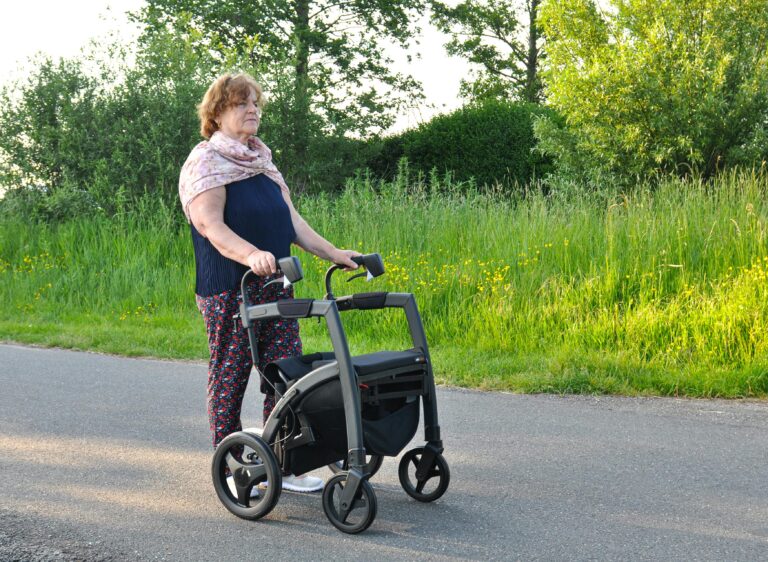
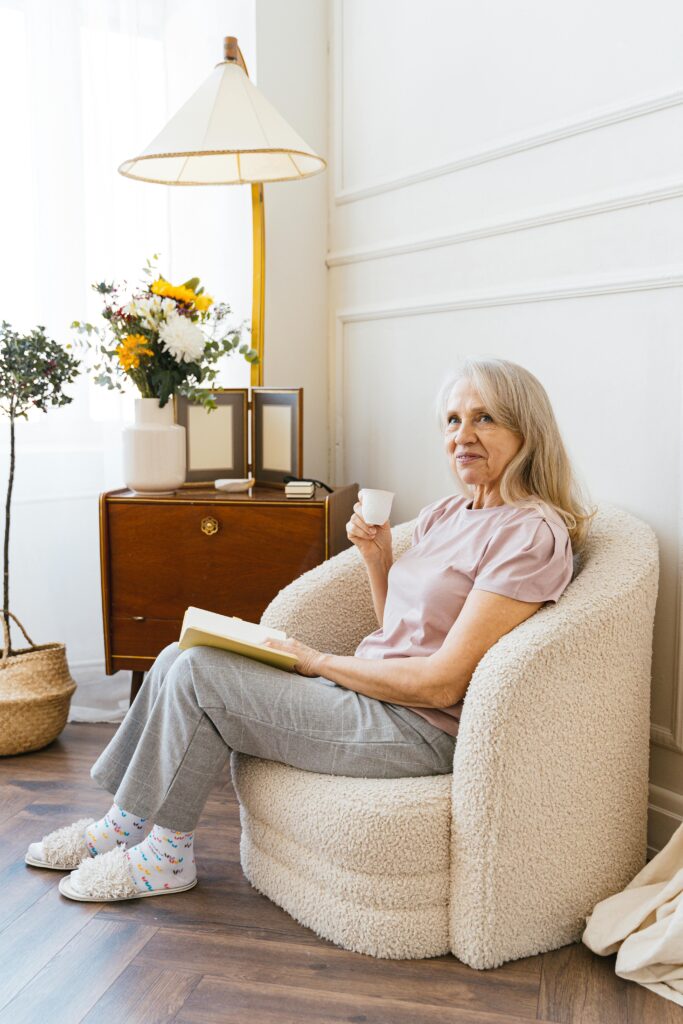
Compression socks are one of the simplest yet most effective tools for improving leg health in older adults. They are specially designed socks that apply gentle pressure to the legs, helping blood circulate more efficiently from the feet back to the heart. For seniors, this can make a noticeable difference in comfort, mobility, and overall vascular health. View on Amazon
What Are Compression Socks?
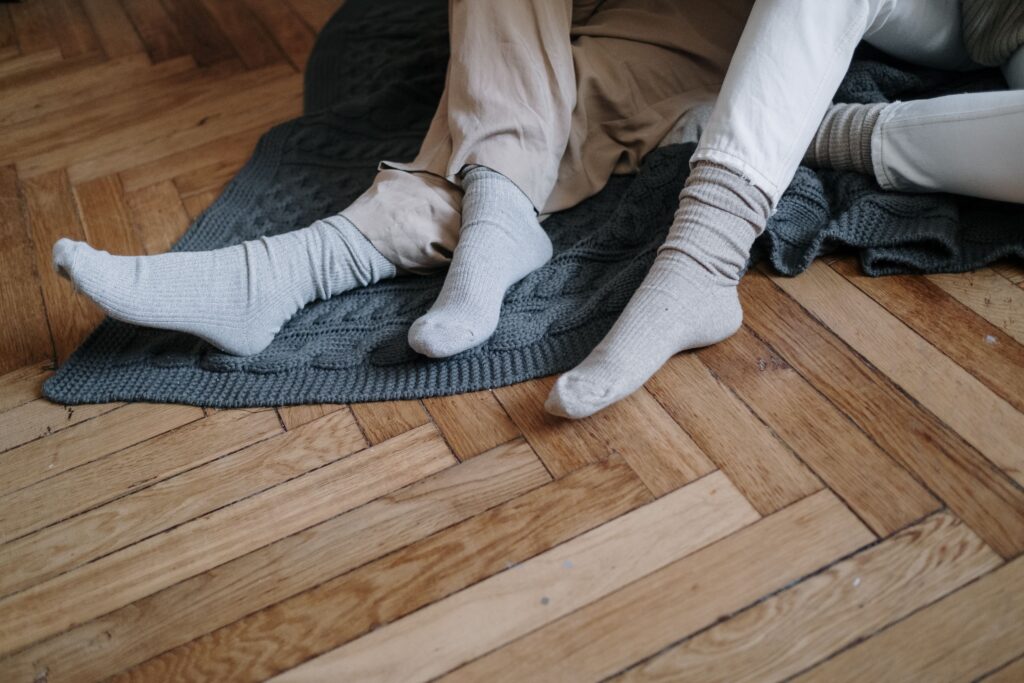
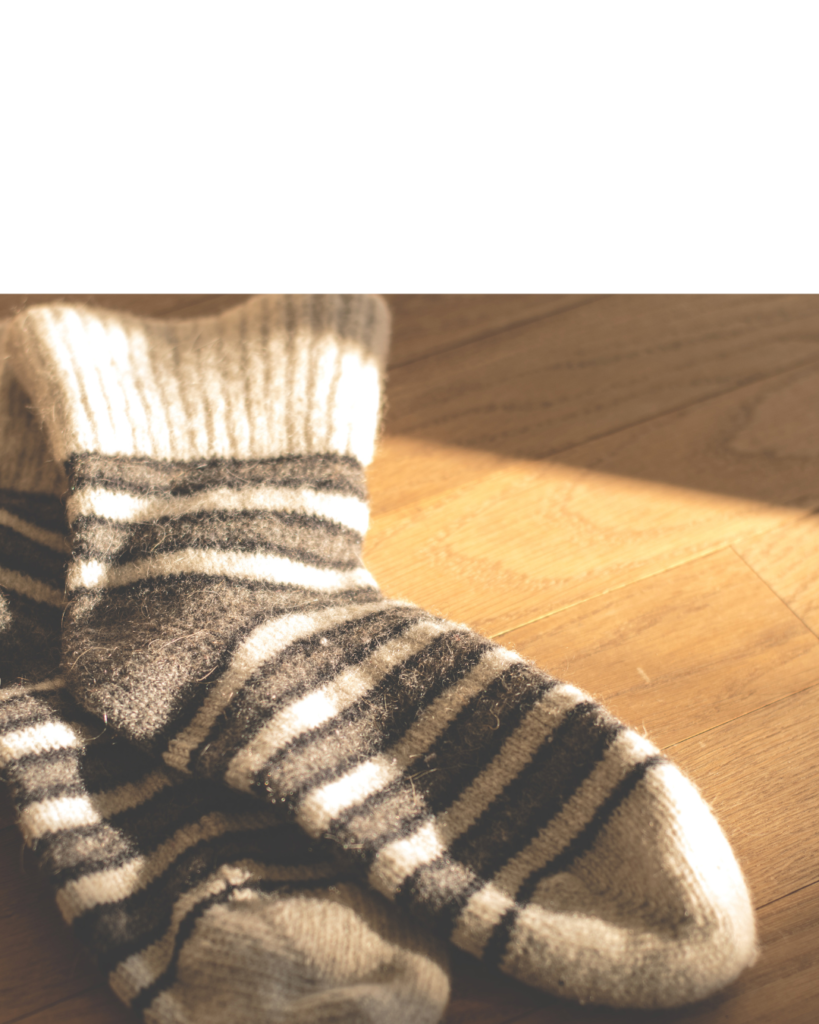
Compression socks are tight-fitting elastic garments worn on the lower legs. Unlike regular socks, they provide graduated pressure—meaning the pressure is strongest at the ankle and gradually decreases up the leg.
This design helps support healthy blood flow and reduces swelling, especially after long periods of sitting or standing.
Key Benefits of Compression Socks for Seniors
1. Improved Blood Circulation
As people age, circulation naturally becomes less efficient. Compression socks help support venous return, reducing blood pooling in the lower legs.
This is especially helpful for seniors with conditions like:
- Varicose veins
- Chronic venous insufficiency
- Limited mobility
2. Reduced Swelling (Edema)
Swollen ankles and legs are common in older adults. Compression socks help prevent fluid buildup, making daily movement more comfortable.
3. Lower Risk of Blood Clots
Reduced mobility increases the risk of deep vein thrombosis (DVT), a serious condition where blood clots form in deep veins.
Compression socks may help reduce this risk, especially during:
- Long travel (flights or car rides) View on Amazon
- Extended bed rest
- Post-surgery recovery
4. Relief from Leg Fatigue and Pain
Many seniors experience tired, heavy legs by the end of the day. Compression socks can reduce discomfort by supporting muscles and improving oxygen delivery. View on Amazon
5. Support for Chronic Conditions
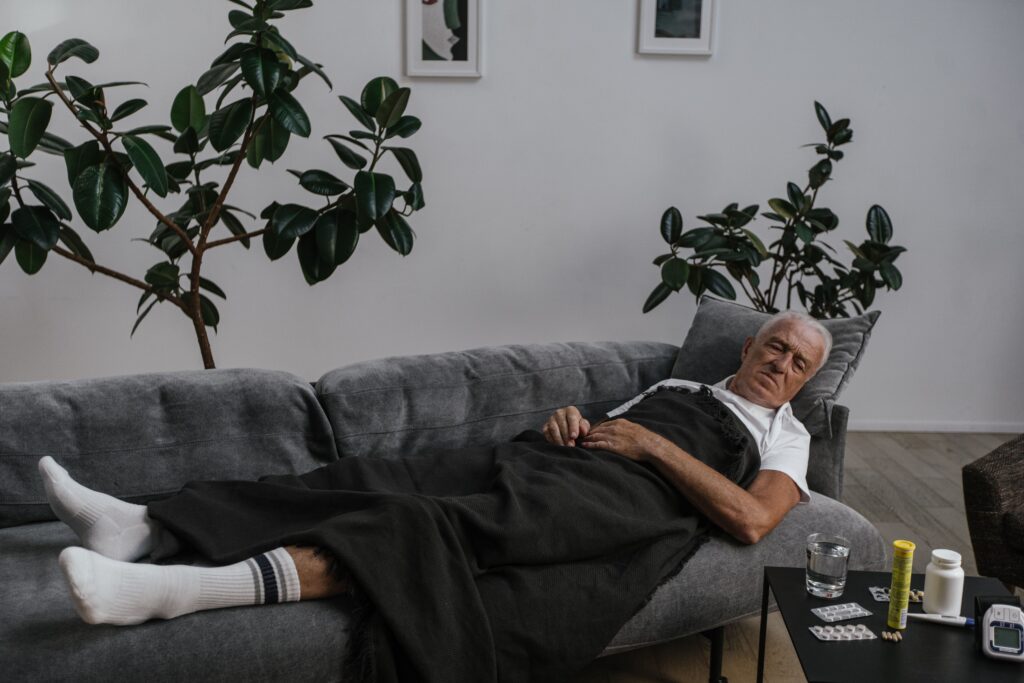
Compression therapy can be beneficial for individuals managing:
- Type 2 Diabetes (when circulation is affected)
- Varicose veins
- Mild lymphedema
Always consult a healthcare provider before use if medical conditions are present.
Types of Compression Socks
1. Mild Compression (8–15 mmHg)
Best for:
- Everyday use
- Mild swelling
- Preventing fatigue View on Amazon
2. Moderate Compression (15–20 mmHg)
Best for:
- Swelling
- Travel
- Early vein issues View on Amazon
3. Firm Compression (20–30 mmHg)
Best for:
- Varicose veins
- Moderate circulation problems
- Medical use (doctor recommended) View on Amazon
How to Choose the Right Compression Socks
When selecting compression socks for seniors, consider:
✔ Comfort and Fit
Proper sizing is crucial. Too tight can restrict circulation; too loose reduces effectiveness.
✔ Ease of Use
Look for:
- Zipper compression socks
- Wide openings
- Soft stretch materials
✔ Breathable Fabric
Cotton blends or moisture-wicking fabrics help prevent skin irritation.
✔ Open Toe vs Closed Toe
- Open toe: better airflow, easier for swollen feet
- Closed toe: more traditional and warm View on Amazon
When Seniors Should Wear Compression Socks
They are especially useful:
- During daytime activity
- While traveling
- After surgery (as advised by a doctor)
- When sitting or standing for long periods
They are generally not recommended while sleeping, unless directed by a medical professional. View on Amazon
Possible Side Effects and Precautions
Compression socks are safe for most people, but improper use can cause:
- Discomfort or tightness
- Skin irritation
- Reduced circulation if size is incorrect
Seniors with severe arterial disease should avoid them unless approved by a doctor.
Final Thoughts
Compression socks are a simple, affordable way to support leg health in older adults. By improving circulation, reducing swelling, and easing discomfort, they can significantly improve daily quality of life.
BEST BUDGET PICK: View on Amazon
Best for seniors who want a comfortable way to find relief for tired legs, or discomfort from standing or sitting for long periods without spending a lot
For seniors dealing with circulation issues or spending long periods inactive, they are often one of the easiest preventive health tools to incorporate into a routine.
Medical Disclaimer: The content in this website is for informational purposes only and not intended to replace professional medical advice. Always consult a qualified healthcare provider before making any decisions about safety and mobility, or senior care needs.
Affiliate Disclosure: As an Amazon Associate, I earn a small commission from qualifying purchases at no extra cost to you